Materializing Memory and Sanctifying Place – Jewish Sephardic Heritage in Contemporary Spain

Threads of Identity – The Evolution of Israeli Fashion and the Attempt to Create a National Dress

The Written Silent, the Visible Absence, and the Text in the Written after 1945 – Materiality of Catastrophe, Exile and Belonging in Barbara Honigmann’s Writings
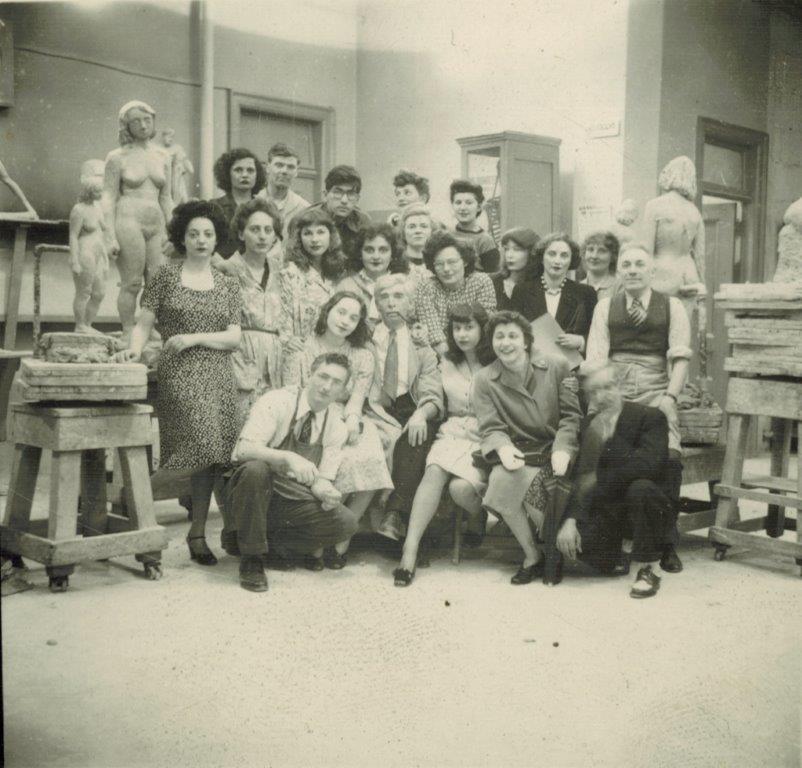
Processing Loss and Fostering Resilience – Jewish and Female Sculptural Strategies of Coping with the 20th Century

Shattered Objects, Shattered Spaces – The Destruction of Jewish Homes in the November Pogroms of 1938
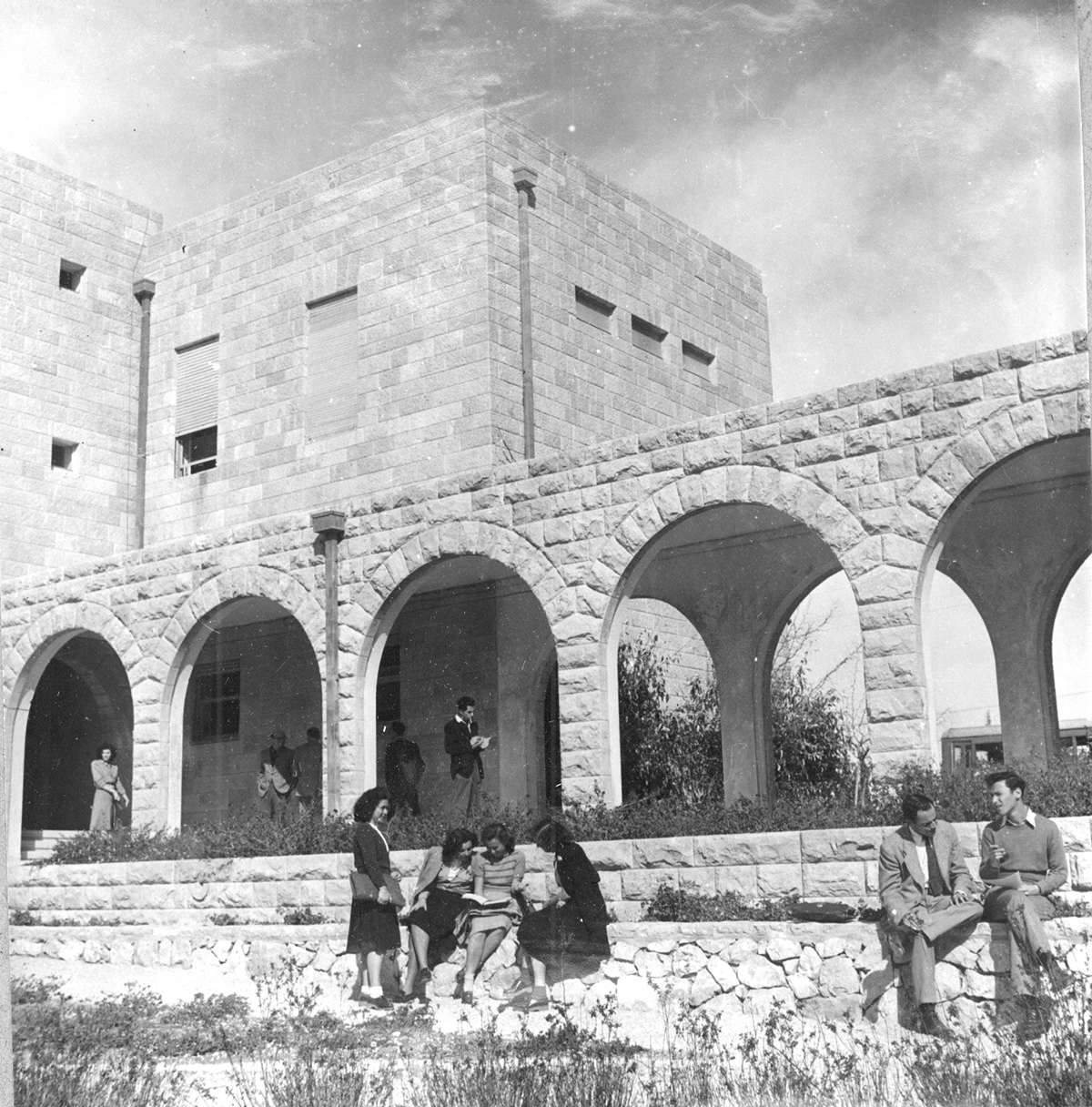
Nation-Building and Cultural Heritage – The Making of the Jewish National Library in Jerusalem, 1892–1948
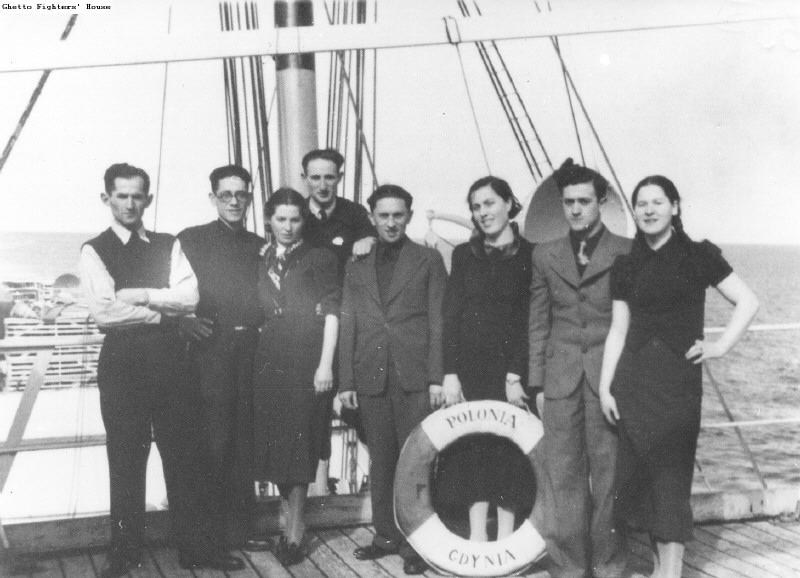
DVARIM POLANIM – Material Culture and the Changing Identity of Polish Jews in Israel across the 20th Century
Between Ruins and Revival – Jewish Identity and Material Heritage in Post-Communist Poland

Places of Jewish Knowledge – The Wissenschaft des Judentums and its Material Sites in Berlin’s Urban Landscape, 1871–1961

Traces of belonging(s) – on the materiality of the imprisonment experience of Jewish women in the Ravensbrück women’s concentration camp
Aufbau im Übergang – Curt Wormann and the Jewish National and University Library between Nation-building and Cultural Diplomacy
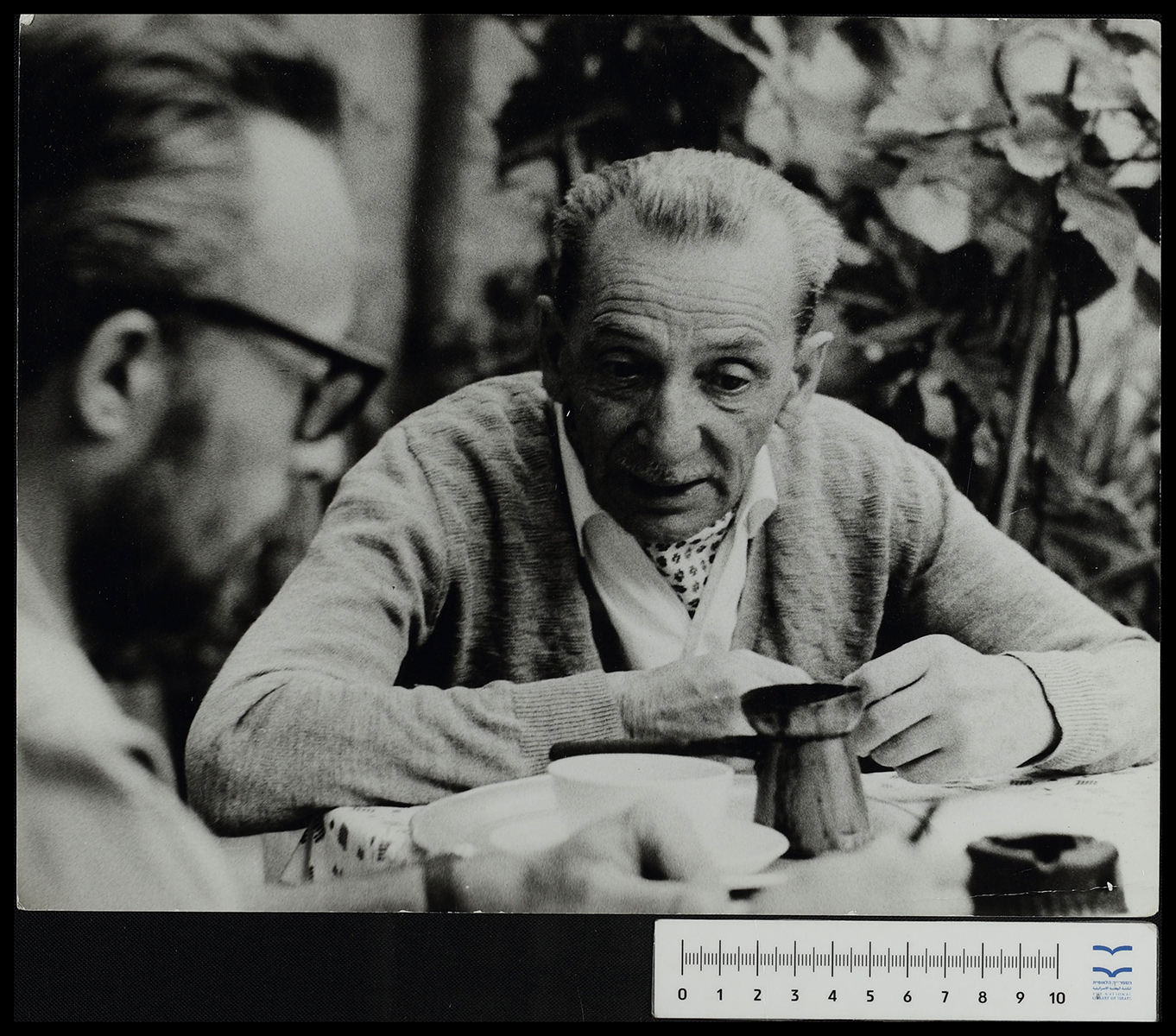
To Change, Question, and Criticize – Concepts of a ‘Werk’ and Concepts of Objects in Illustrated Magazines in Berlin and Vienna during the 1920s.

Mes poumons comme les rouleaux de la Thora – Towards a Poetics of the Trace: Jewishness, Exile, and Writing in the Work of Hélène Cixous
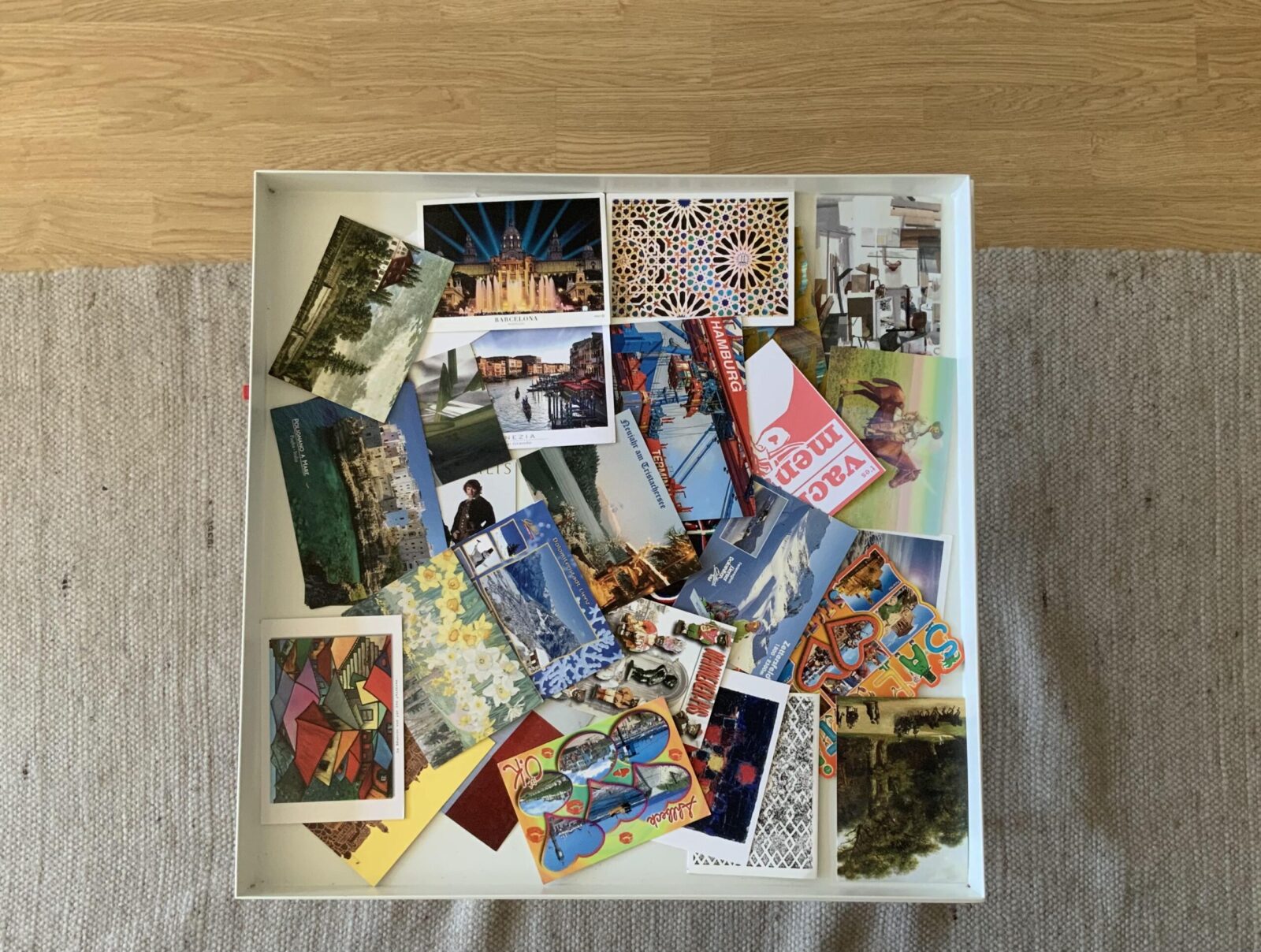
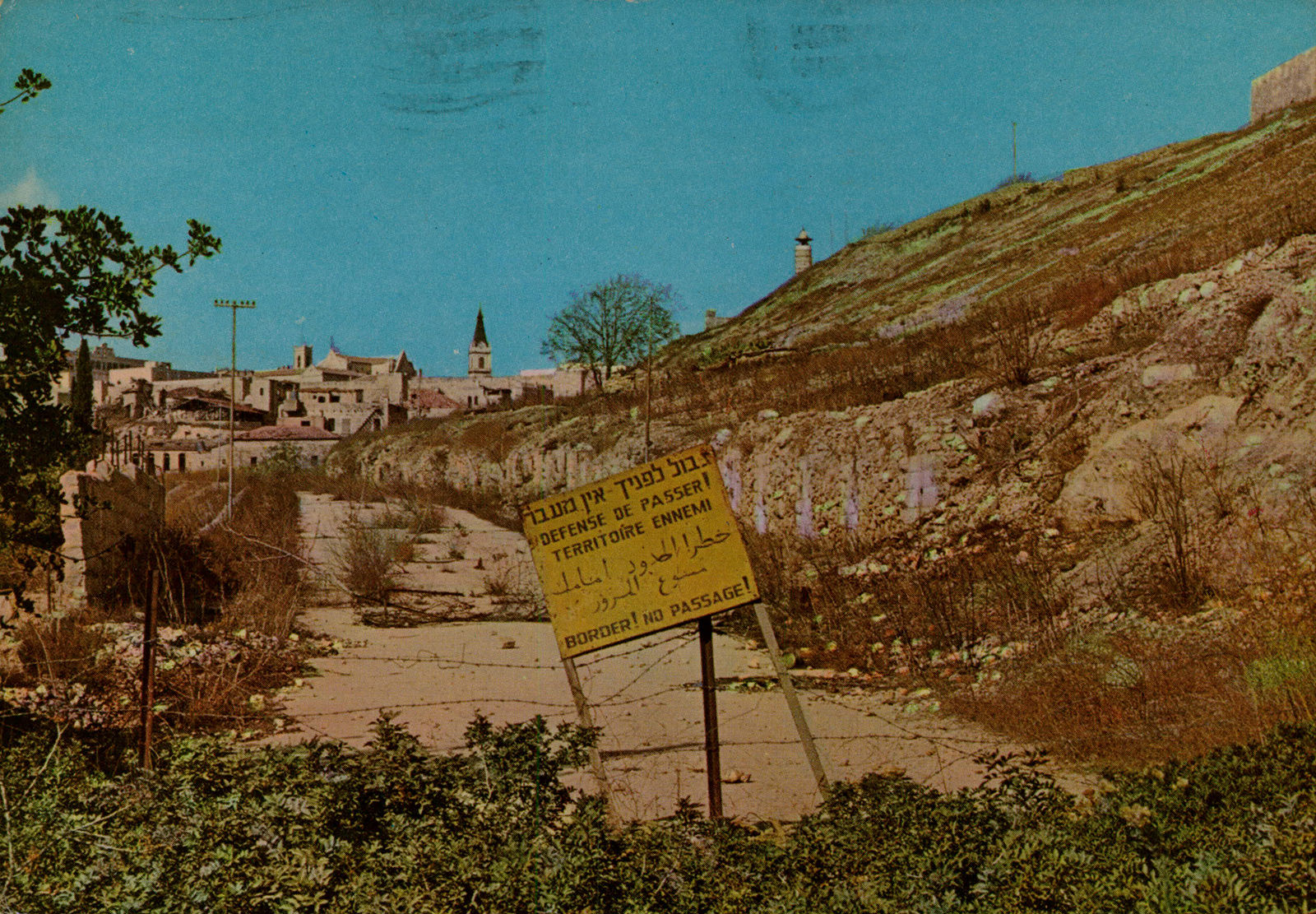





Stamps and Postcards – Jewish Post Collectors and Jewish Emancipation
In my research I will look at how Jewish intellectuals, such as Walter Benjamin, Aby Warburg and Peter Gay describe the practice of collecting postage stamps and postcards – starting from the formal introduction of the first postage stamp in 1840 up to today. I want to read those descriptions parallel to the process of Jewish emancipation in order to understand how their approach to collecting differs from that of other non-Jewish collectors. How does Jewish faith in a history of progress and enlightenment and especially the holistic German concept of Bildung (Mosse 1985) align with a world that is perceived more and more disintegrated?
Furthermore, the change of practices of collecting and writing about postal formats such as stamps and postcards will be examined in comparative perspective as to before, during and after the Shoah.
When thinking of and writing about Jewish emancipation I treat it as an ongoing non-linear historical event (Sorkin 2019). Accordingly, Jewish emancipation is not bound to a singular place and not seen as a one-time event but had to be gained and could be easily revoked by the reigning powers. Jewish intellectuals – contrary to their Non-Jewish counterparts – were fervent advocates for those formats of the postal Union hoping to ameliorate their own living conditions as Jews questioning and challenging the hegemonic powers and discourses at the time. The aim of my research is to examine how those Jewish thinkers were influenced in their practices of collecting and writing when for instance in Germany they had their emancipatory rights gained four times and revoked three times. What does this mean especially in relation to postal practices that were questioning national borders and emphasizing on cultural exchanges.