Materializing Memory and Sanctifying Place – Jewish Sephardic Heritage in Contemporary Spain

Threads of Identity – The Evolution of Israeli Fashion and the Attempt to Create a National Dress

The Written Silent, the Visible Absence, and the Text in the Written after 1945 – Materiality of Catastrophe, Exile and Belonging in Barbara Honigmann’s Writings
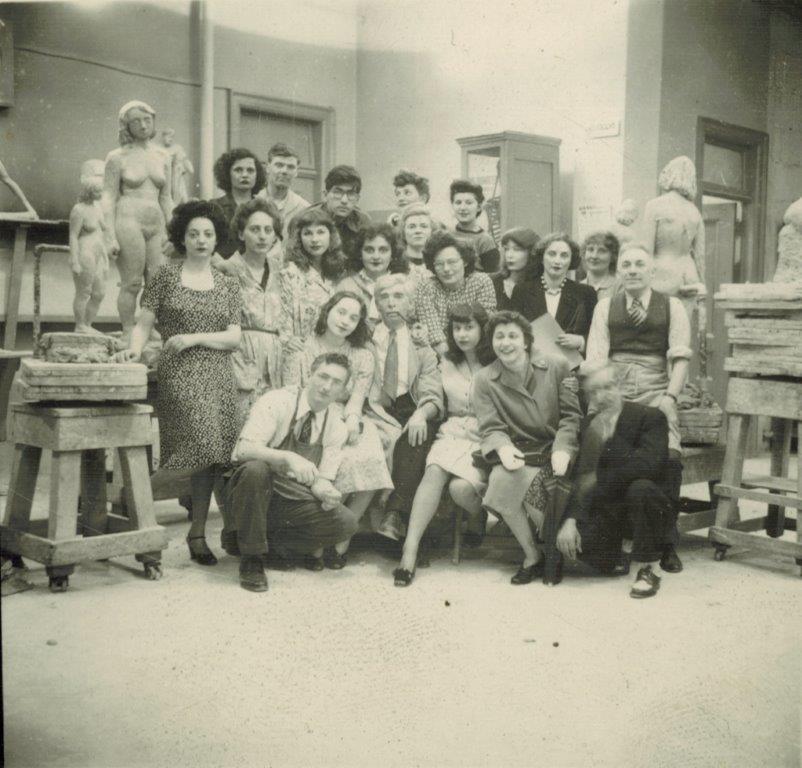
Processing Loss and Fostering Resilience – Jewish and Female Sculptural Strategies of Coping with the 20th Century

Shattered Objects, Shattered Spaces – The Destruction of Jewish Homes in the November Pogroms of 1938
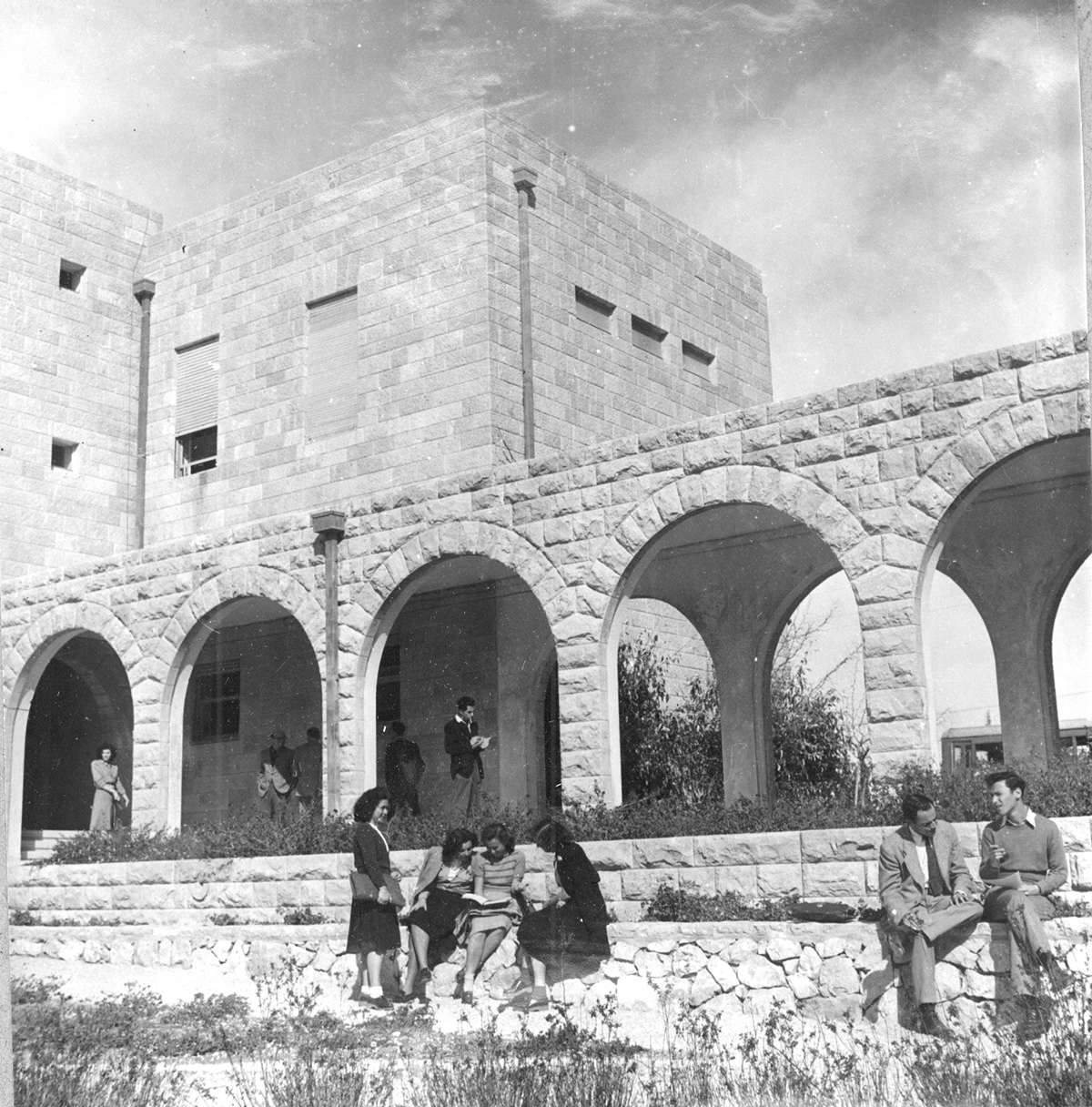
Nation-Building and Cultural Heritage – The Making of the Jewish National Library in Jerusalem, 1892–1948
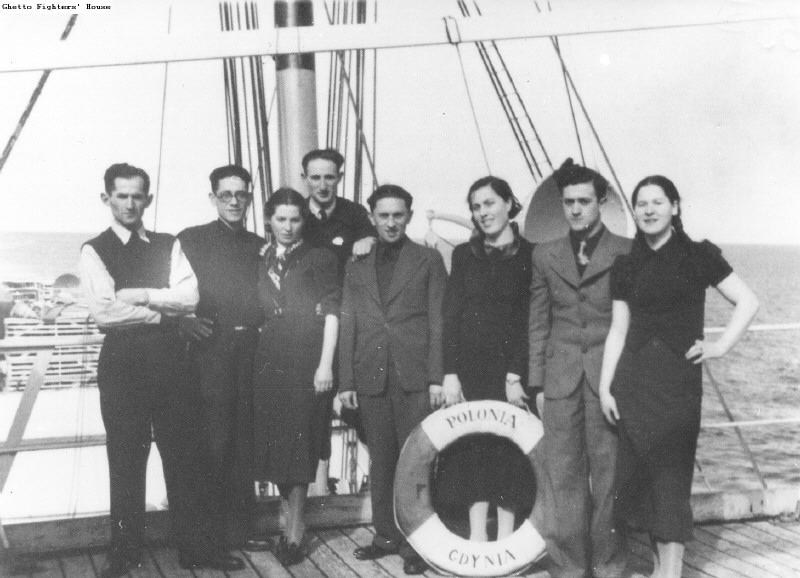
DVARIM POLANIM – Material Culture and the Changing Identity of Polish Jews in Israel across the 20th Century
Between Ruins and Revival – Jewish Identity and Material Heritage in Post-Communist Poland

Places of Jewish Knowledge – The Wissenschaft des Judentums and its Material Sites in Berlin’s Urban Landscape, 1871–1961

Traces of belonging(s) – on the materiality of the imprisonment experience of Jewish women in the Ravensbrück women’s concentration camp
Aufbau im Übergang – Curt Wormann and the Jewish National and University Library between Nation-building and Cultural Diplomacy
To Change, Question, and Criticize – Concepts of a ‘Werk’ and Concepts of Objects in Illustrated Magazines in Berlin and Vienna during the 1920s.
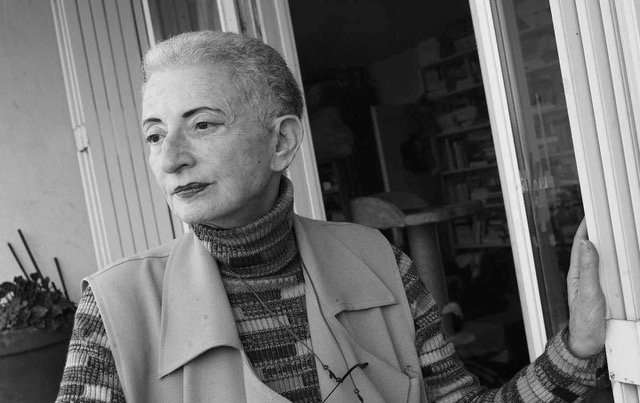
Mes poumons comme les rouleaux de la Thora – Towards a Poetics of the Trace: Jewishness, Exile, and Writing in the Work of Hélène Cixous




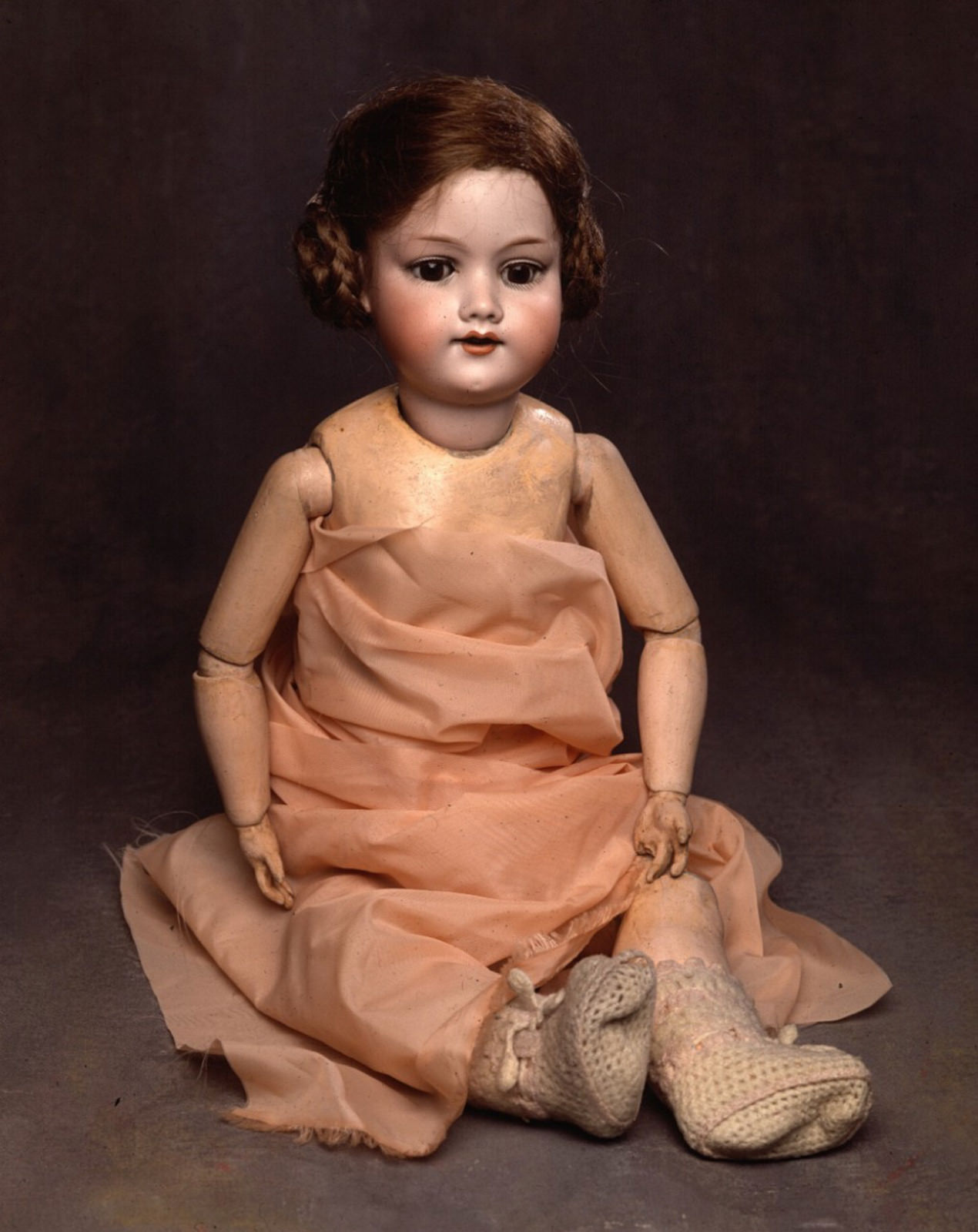
Source: https://encyclopedia.ushmm.org/content/en/artifact/doll-from-the-krakow-ghetto
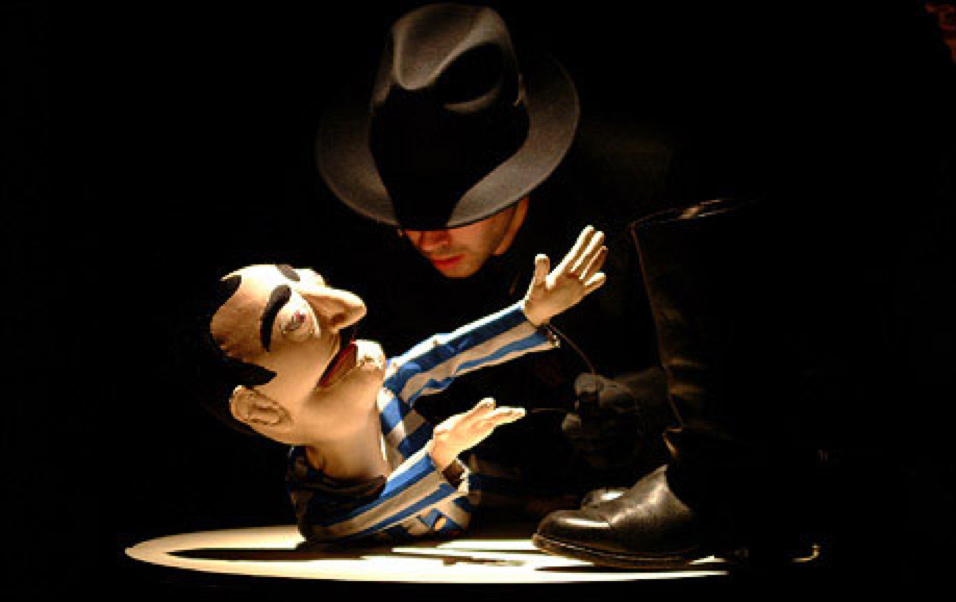
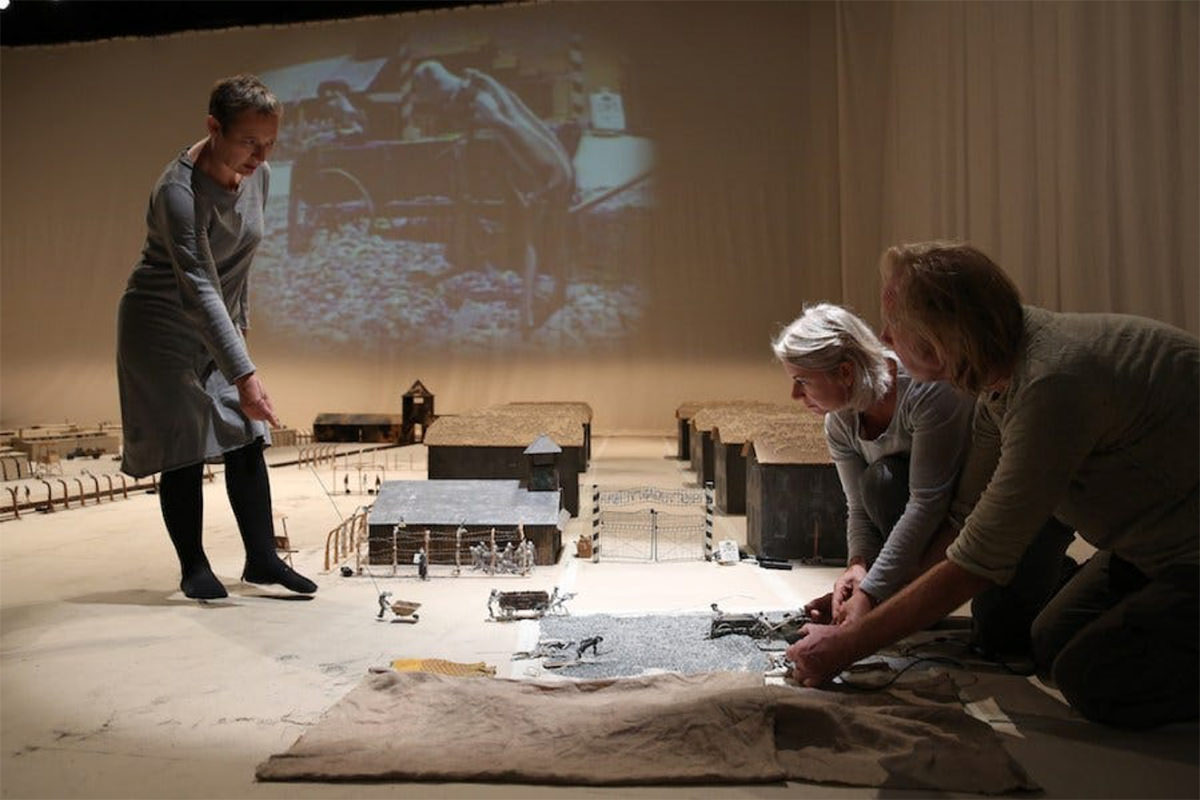
Photo From Wakka Wakka Productions
Puppets, Dolls, and Performing Objects of the Holocaust
In response to the increasing trend of employing puppetry in contemporary theatre, it’s no surprise that a variety of Holocaust performances (created after the Holocaust) also employ this dramatic strategy. I ask what role puppets take on, particularly in line with the phenomenon that Vivian Patrakaascribes as “goneness,” an interplay between that which is absent and that which is present(Patraka, 1999 ). I posit that puppets in Holocaust theatre and performance can labour as a proxy of remembrance within – what Patraka also coins – the “Holocaust Performative,” proving itself to be a dynamic and valuable theatrical tool in which to navigate our relationship with the preservation ofHolocaust memory (Patraka, 1999). What comes of corporeality and ‘liveness,’ particularly when death contrasts with the presence of performer bodies?
In its initial form, this study used two performances as case studies, the Dutch company Hotel Modern’s production of KAMP and Gilles Segal’s play-text The Puppeteer of Lodz. My argument considered puppets as both corporeal and psychic actants that exist on an ontological spectrum, akin towhat Mel Y. Chen suggests is a terrain of “animacy,” whereby puppets in Holocaust theatre become theatrical surrogates of torture as well as mediators between the living and the dead (Chen, 2012). My PhD project will expand this original study; I will examine the ontological phenomena these productions elicit by including several more case studies. In what different or contrasting ways do these productions employ puppetry? What are the intended dramaturgical functions of using puppets in contemporary Holocaust theatre, and what effects do they have on public memory practices?
My project aims to scrutinize the ways we derive meaning from Holocaust objects in various heritage, curatorial, and memorial spaces. How do – seemingly – quotidian objects perform, specifically in place of those so tragically lost? I continue to ask whether those objects, such as shoes, suitcases, hair, etc., are also performers of absence. If so, what phenomenological mechanisms are at play? Thus, another facet of my research will examine the actual dolls, puppets, marionettes, and other toys that are often found on display in Jewish/Holocaust museums and archival collections.
Following these archival playthings, I will further ask how performance objects—such as puppets, marionettes, and dolls—functioned, especially for young people, during the Holocaust. Could they potentially have served as a means of escapism? Perhaps a means of performing reversed positions of power or authority over one’s experience? What present-day traces (physical or testimonial) of ‘play’ exist, and what do they reveal about experiences during the Holocaust? What role did these objects and experiences of ‘play’ perform? What role do Holocaust dolls and puppets have within the current scope of memory preservation? What renderings do these objects present in an exhibition display, a classroom exercise, or even a theatrical performance?