Materializing Memory and Sanctifying Place – Jewish Sephardic Heritage in Contemporary Spain

Threads of Identity – The Evolution of Israeli Fashion and the Attempt to Create a National Dress

The Written Silent, the Visible Absence, and the Text in the Written after 1945 – Materiality of Catastrophe, Exile and Belonging in Barbara Honigmann’s Writings
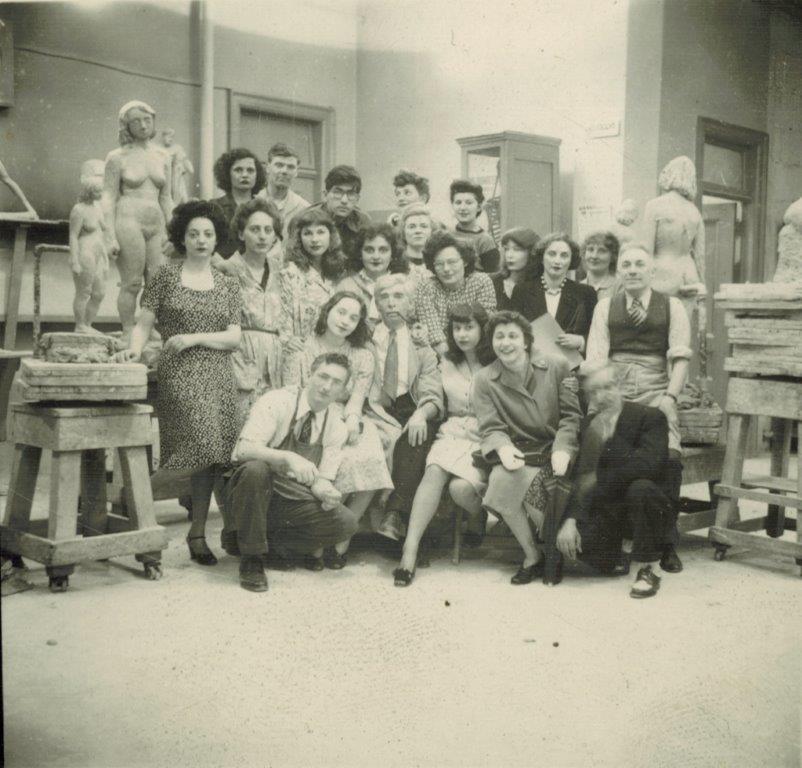
Processing Loss and Fostering Resilience – Jewish and Female Sculptural Strategies of Coping with the 20th Century

Shattered Objects, Shattered Spaces – The Destruction of Jewish Homes in the November Pogroms of 1938
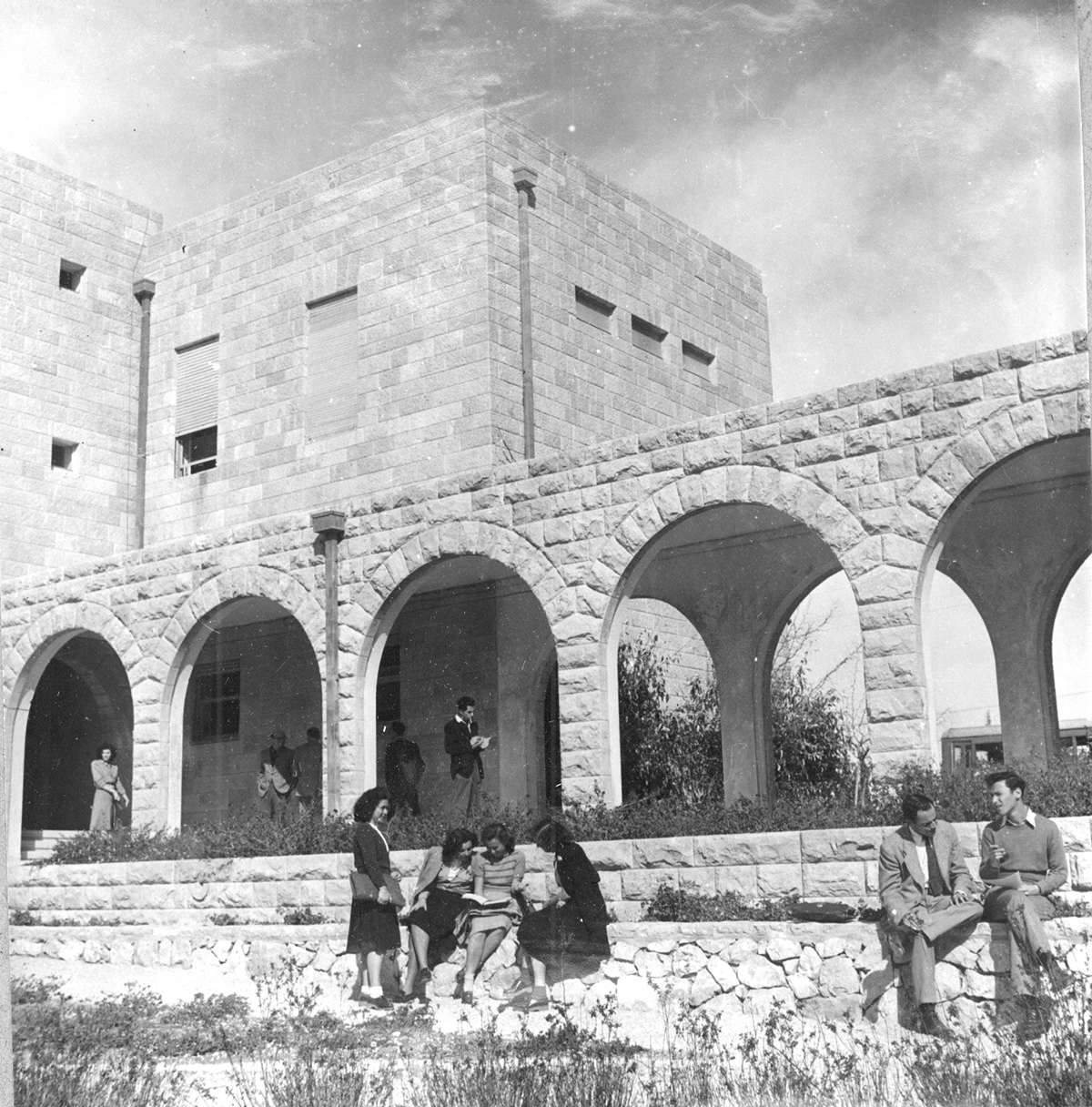
Nation-Building and Cultural Heritage – The Making of the Jewish National Library in Jerusalem, 1892–1948
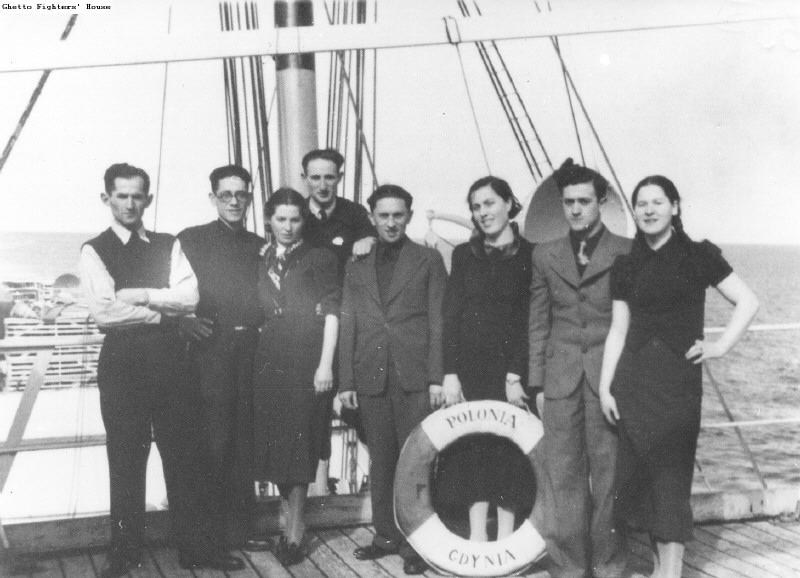
DVARIM POLANIM – Material Culture and the Changing Identity of Polish Jews in Israel across the 20th Century
Between Ruins and Revival – Jewish Identity and Material Heritage in Post-Communist Poland

Places of Jewish Knowledge – The Wissenschaft des Judentums and its Material Sites in Berlin’s Urban Landscape, 1871–1961

Traces of belonging(s) – on the materiality of the imprisonment experience of Jewish women in the Ravensbrück women’s concentration camp
Aufbau im Übergang – Curt Wormann and the Jewish National and University Library between Nation-building and Cultural Diplomacy
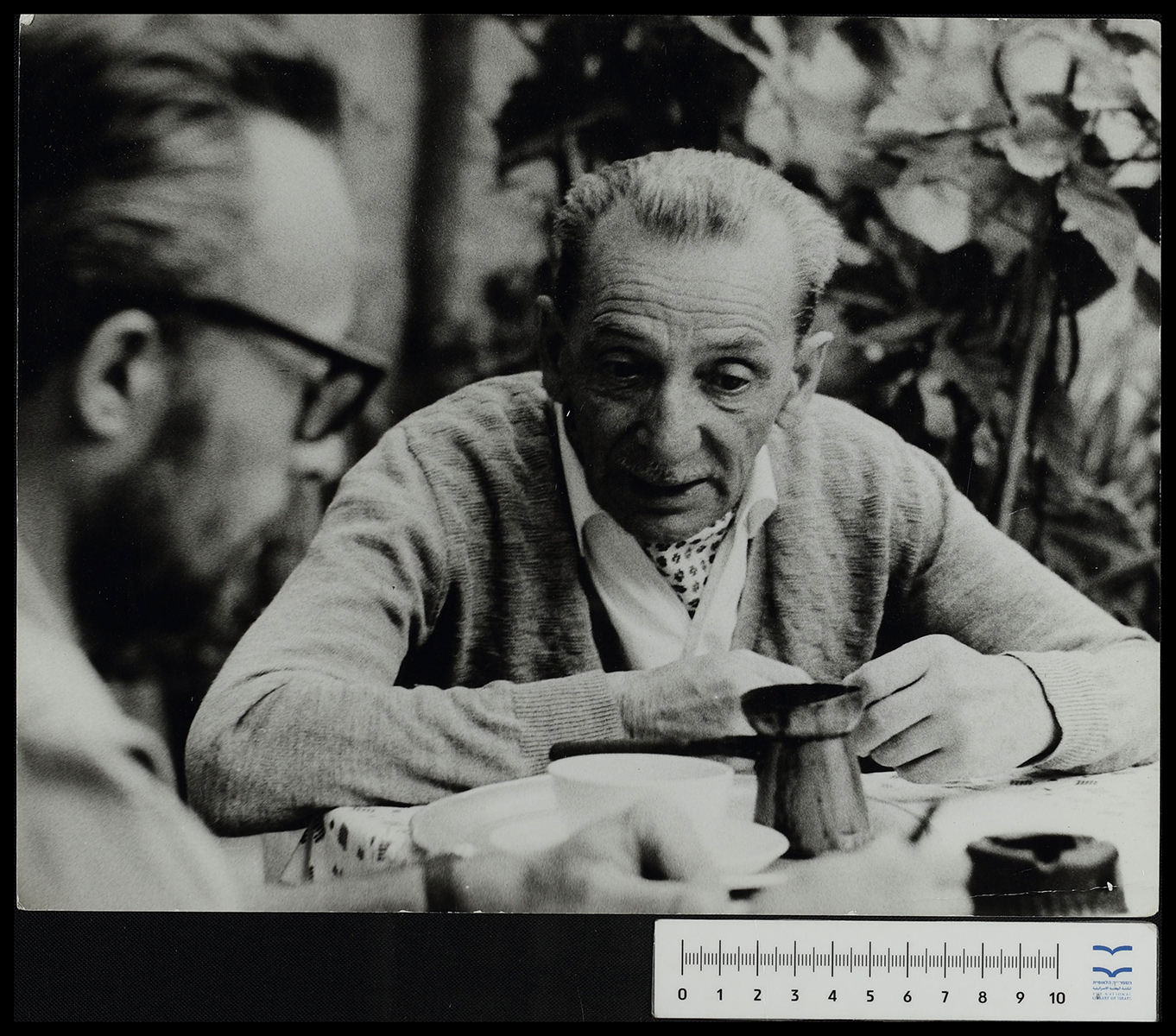
To Change, Question, and Criticize – Concepts of a ‘Werk’ and Concepts of Objects in Illustrated Magazines in Berlin and Vienna during the 1920s.
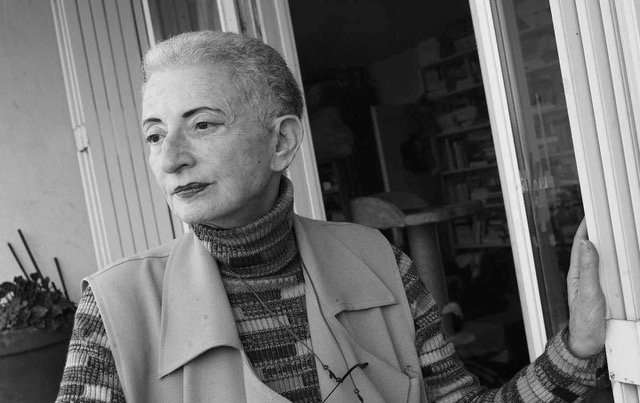
Mes poumons comme les rouleaux de la Thora – Towards a Poetics of the Trace: Jewishness, Exile, and Writing in the Work of Hélène Cixous
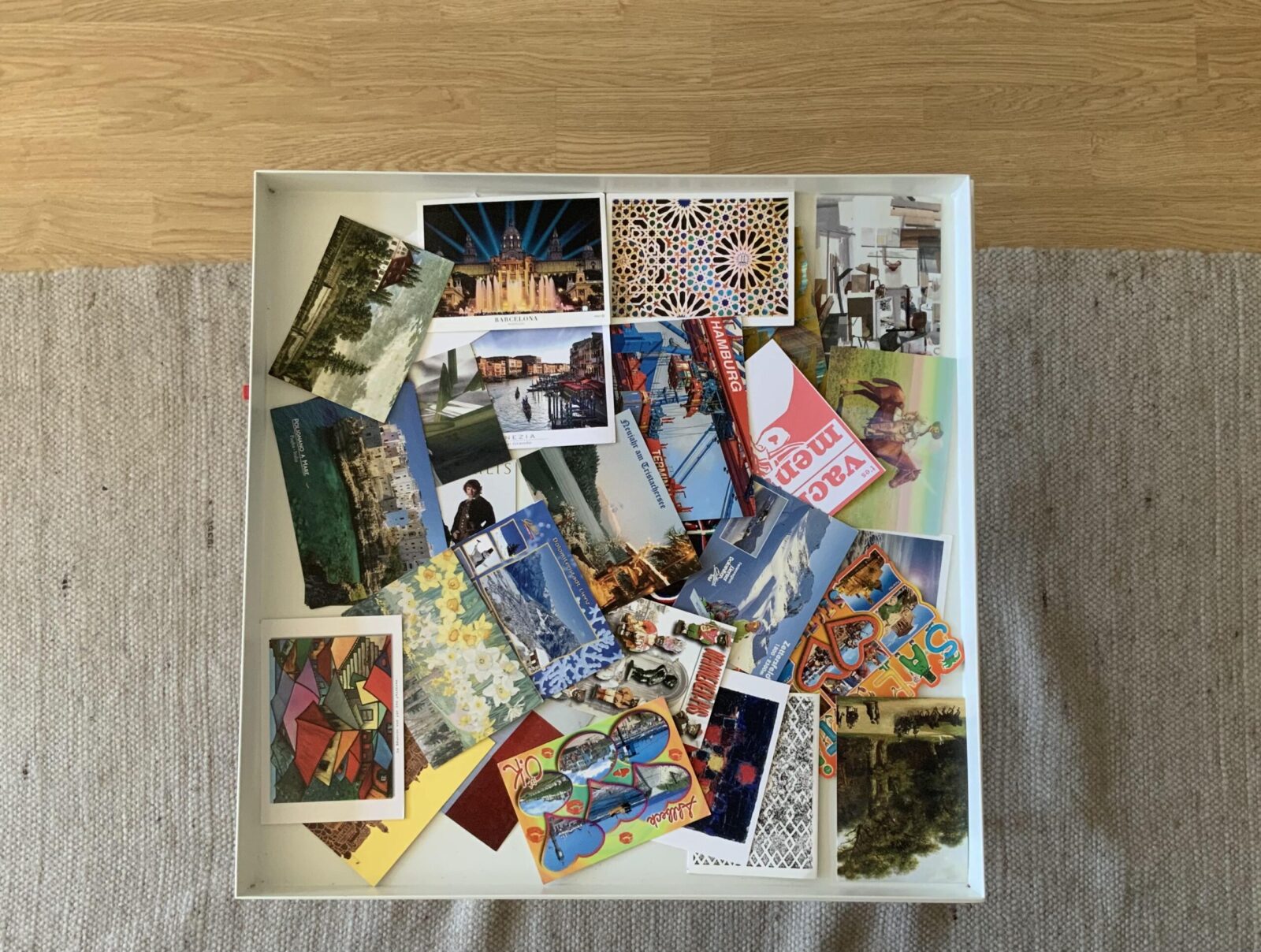

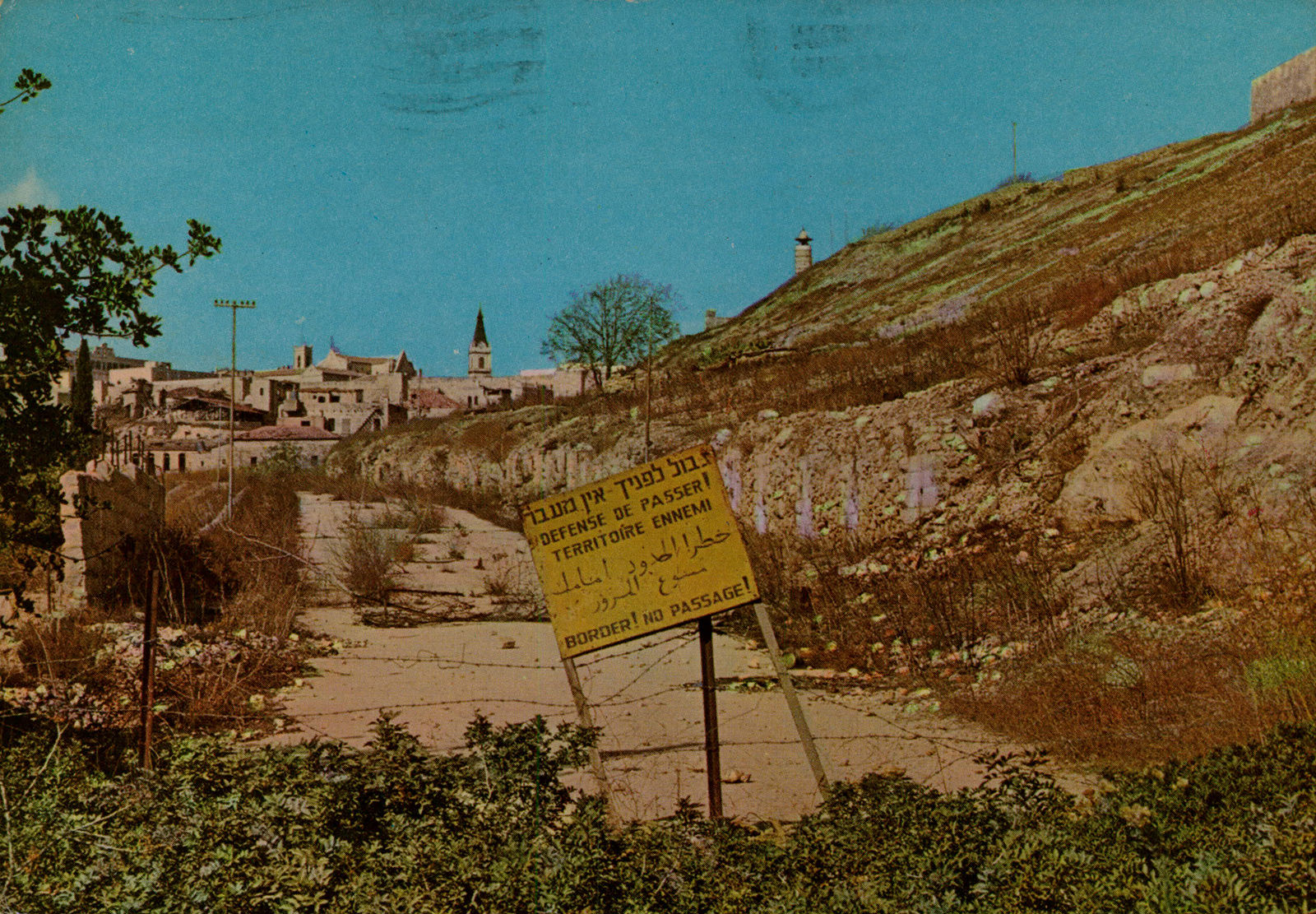
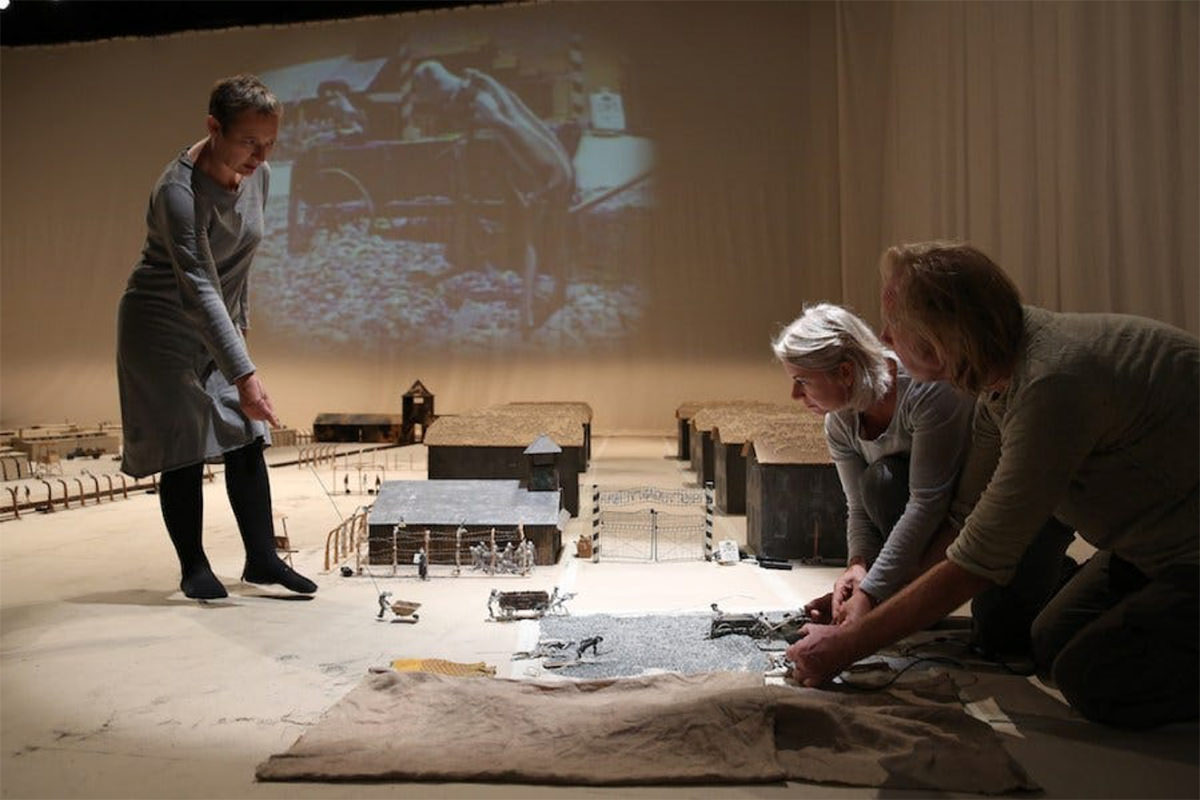



Photo: Katarina Rakić
Simmering Belongings – Jewish Foodways in Socialist Yugoslavia
From Jewish-run restaurants vividly depicted in fiction to memoir descriptions of sharing food in Jewish neighborhoods, the foodways of Yugoslav Jewry play an important role in understanding Jewish life and identity in Yugoslavia. The prewar period during the Kingdom of Yugoslavia was characterized by Jewish heterogeneous cultural identities, being practiced and negotiated in the public sphere within its non-Jewish surrounding. In contrast, resulting from the Holocaust and the radical political shift to socialism, the postwar cultural identity of Yugoslav Jews became less recognized in its distinctiveness, losing its public visibility and becoming submerged to the new homogeneous Yugoslav socialist identity (Vidaković-Petrov 2021). As a consequence, the practices of cooking and eating, being closely related to the practice of religion, experienced changes as well. What implications did this hold for Jewish foodways? What became different about the meaning associated with food and its ways of bringing people together? How did the food cultures of the Jewish Yugoslav community evolve in the context of a new socialist economy and cultural milieu?
By focusing on the change in food practices, my research seeks to examine the underlying change in social relations and conceptions of identity of the Jewish community in the pre- and postwar Yugoslavia. Comparing the work of authors who re-imagine the everyday life of Yugoslav Jewry after the Holocaust to those remembering the prewar period lies at the center of this thesis, and is complemented by conducting interviews with Jewish (ex-)Yugoslavs. The analysis of memories and conceptions of what no longer exists is informed by concepts of nostalgia, space (public vs. private), gender, ethnicity, and class. These themes enable a better understanding of the multidimensional cultural identities and daily realities of Yugoslav Jewry, revealing not only the changes of Jewish identities in relation to the dominant culture, but also within the Jewish community itself.
References
Vidaković-Petrov, Krinka. 2021. “Jewish Identity in Yugoslavia Before and After the Holocaust.” Colloquia Balkanica 7: 237-257.