Materializing Memory and Sanctifying Place – Jewish Sephardic Heritage in Contemporary Spain

Threads of Identity – The Evolution of Israeli Fashion and the Attempt to Create a National Dress

The Written Silent, the Visible Absence, and the Text in the Written after 1945 – Materiality of Catastrophe, Exile and Belonging in Barbara Honigmann’s Writings
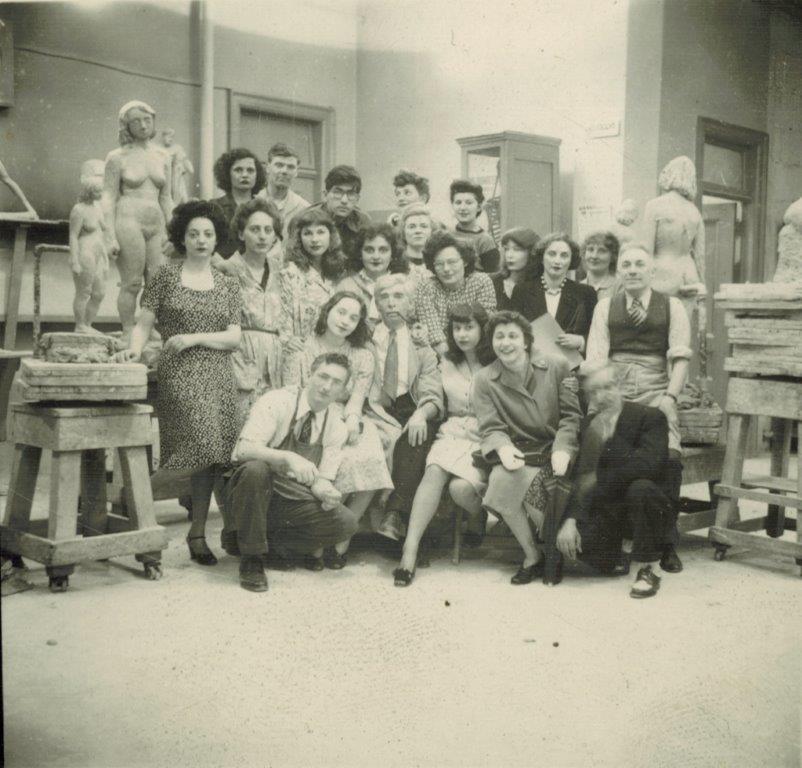
Processing Loss and Fostering Resilience – Jewish and Female Sculptural Strategies of Coping with the 20th Century

Shattered Objects, Shattered Spaces – The Destruction of Jewish Homes in the November Pogroms of 1938
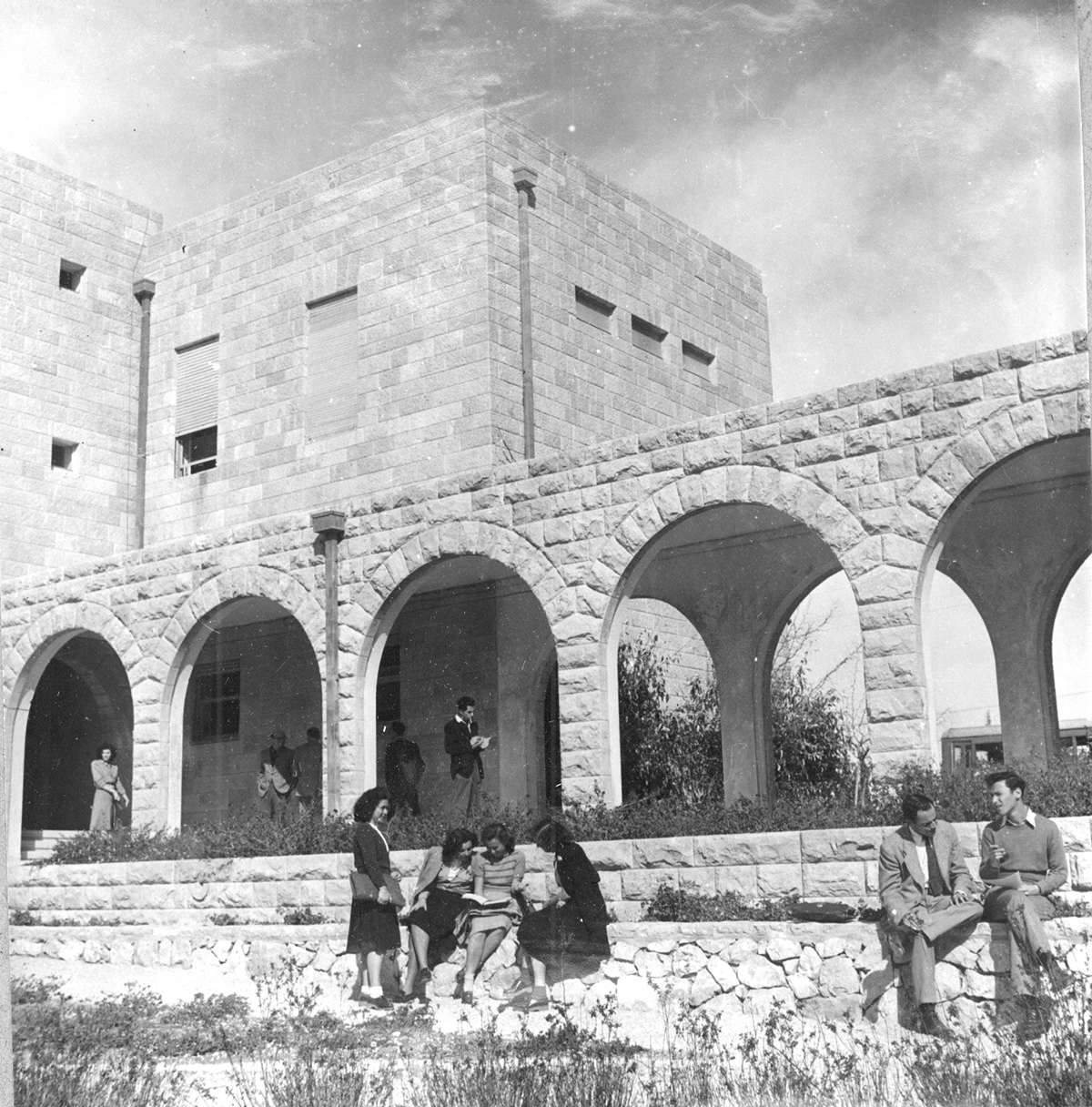
Nation-Building and Cultural Heritage – The Making of the Jewish National Library in Jerusalem, 1892–1948
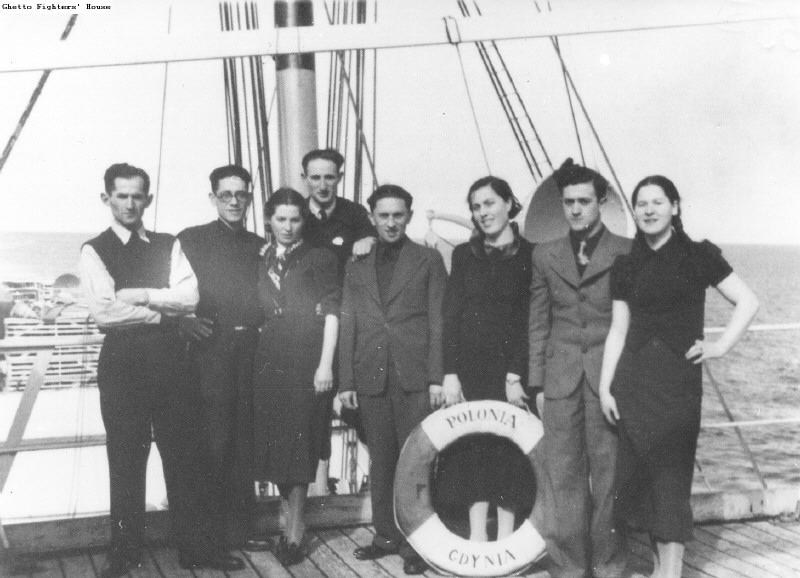
DVARIM POLANIM – Material Culture and the Changing Identity of Polish Jews in Israel across the 20th Century
Between Ruins and Revival – Jewish Identity and Material Heritage in Post-Communist Poland

Places of Jewish Knowledge – The Wissenschaft des Judentums and its Material Sites in Berlin’s Urban Landscape, 1871–1961

Traces of belonging(s) – on the materiality of the imprisonment experience of Jewish women in the Ravensbrück women’s concentration camp
Aufbau im Übergang – Curt Wormann and the Jewish National and University Library between Nation-building and Cultural Diplomacy
To Change, Question, and Criticize – Concepts of a ‘Werk’ and Concepts of Objects in Illustrated Magazines in Berlin and Vienna during the 1920s.
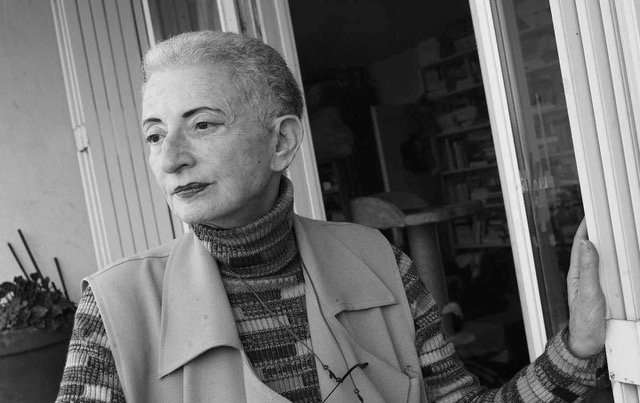
Mes poumons comme les rouleaux de la Thora – Towards a Poetics of the Trace: Jewishness, Exile, and Writing in the Work of Hélène Cixous




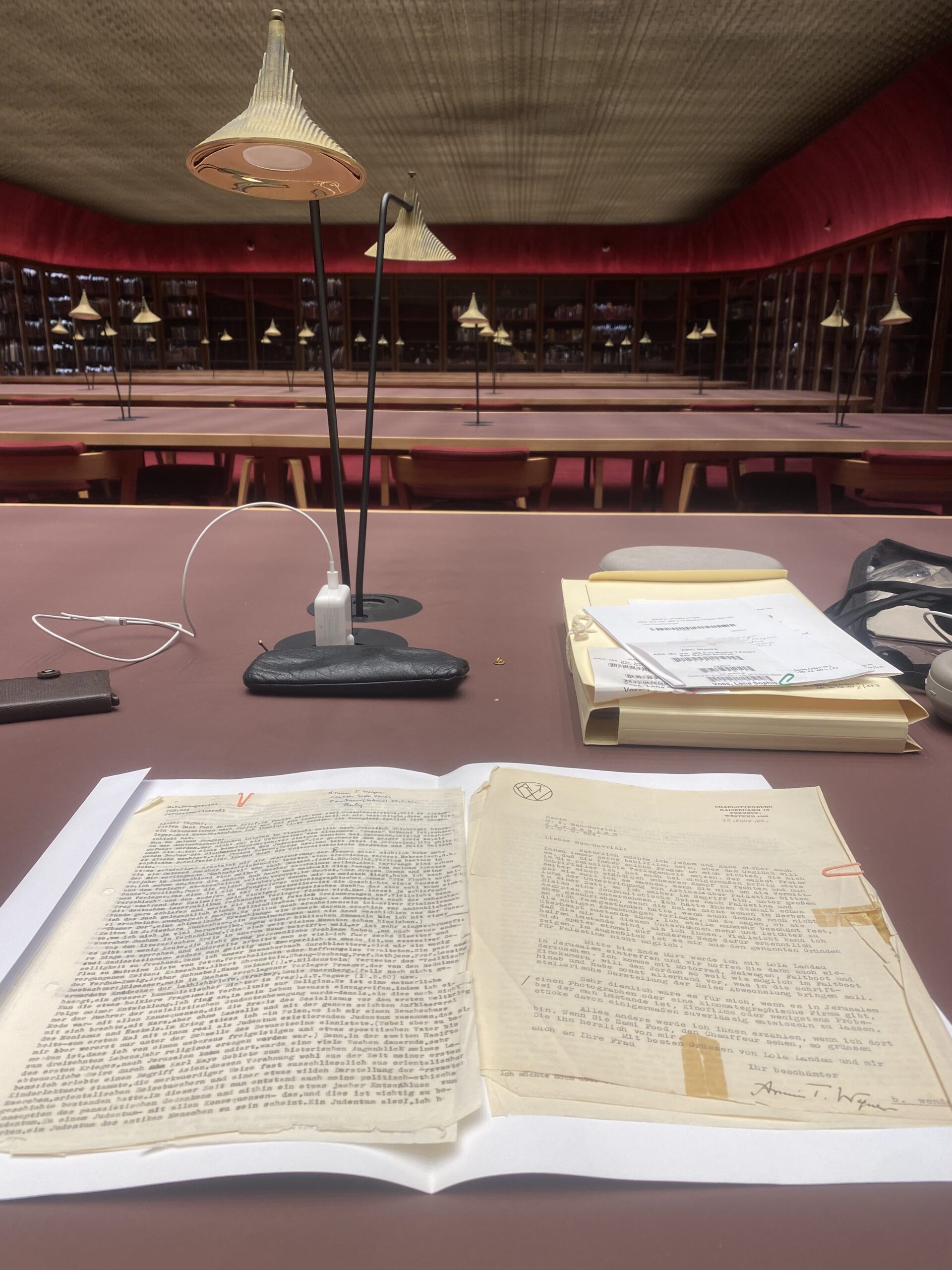
Photographer: Günter Schindler (Frankfurt a.M.). Nr. 19
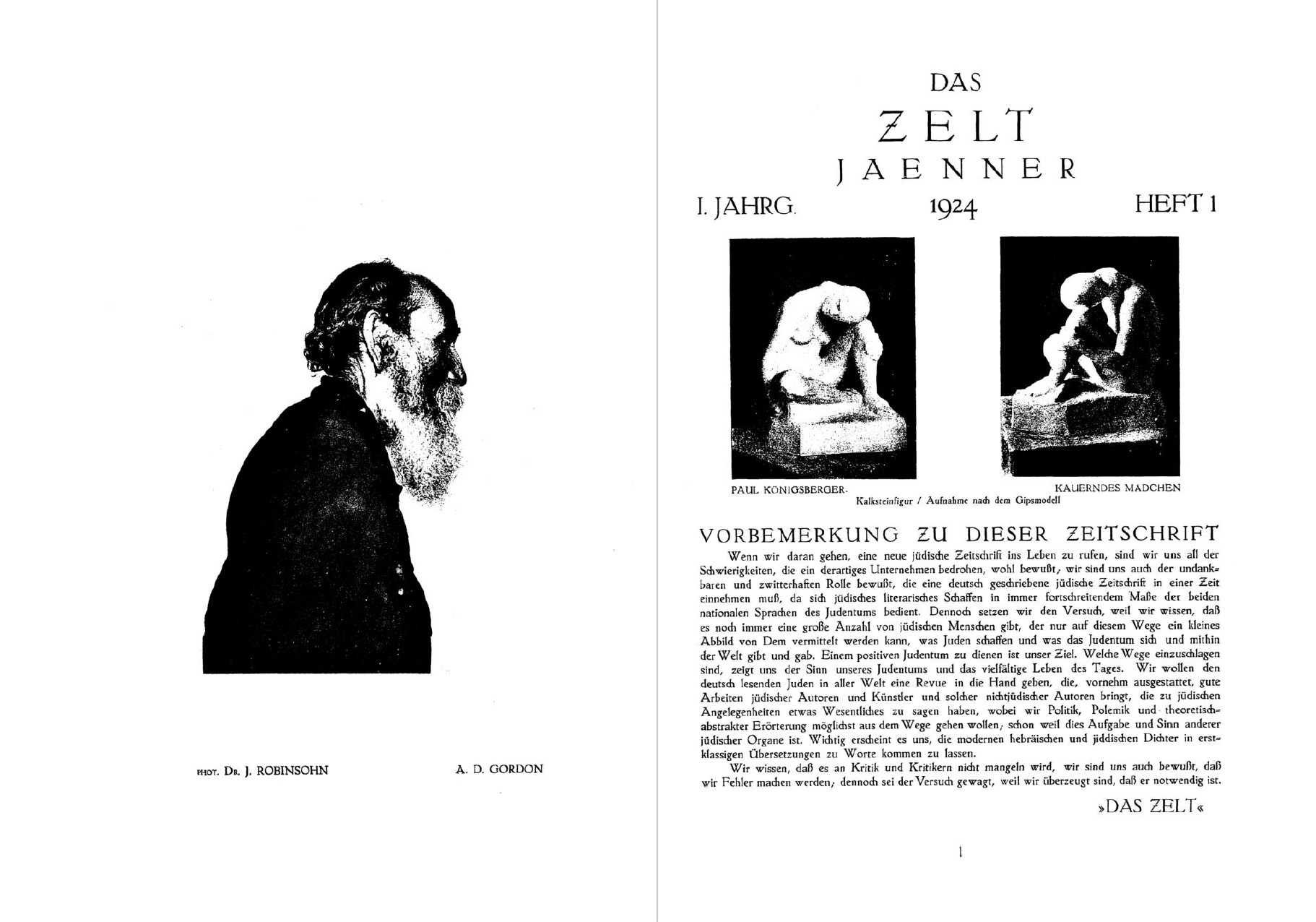
To Change, Question, and Criticize – Concepts of a ‘Werk’ and Concepts of Objects in Illustrated Magazines in Berlin and Vienna during the 1920s.
This project investigates the concepts of ‘Werk’ and objecthood in Jewish illustrated magazines published in Berlin and Vienna during the 1920s, with a focus on lesser-known periodicals such as Das Zelt, Das Wort, Shlemiel, and Das Jüdische Magazin. These magazines serve as valuable sources for understanding Jewish cultural expression and identity formation in the interwar period. Through the lens of material culture and intermediality, this study explores how objects—both depicted and textual—embody cultural Zionist ideas and respond to modern diasporic experiences without endorsing territorial Zionism.
Methodologically, the project combines literary-historical analysis, close reading, and visual analysis with perspectives from art history and media studies. Central to this research is the notion of the magazine as a ‘Werk’, a cohesive artistic and ideological whole, rather than a mere collection of individual contributions. Drawing on Martin Buber’s concept of ‘Werkgemeinschaft’, the project examines whether and how Jewish illustrated magazines foster a sense of cultural community. On a micro level, it analyzes how literary and visual representations of objects articulate tensions between aesthetic autonomy and identity politics. Ultimately, this study contributes to the understanding of Jewish periodical culture, materiality, and the complex intersections of art, identity, and politics in early 20th-century Central Europe.