

Materializing Memory and Sanctifying Place – Jewish Sephardic Heritage in Contemporary Spain

Threads of Identity – The Evolution of Israeli Fashion and the Attempt to Create a National Dress

The Written Silent, the Visible Absence, and the Text in the Written after 1945 – Materiality of Catastrophe, Exile and Belonging in Barbara Honigmann’s Writings
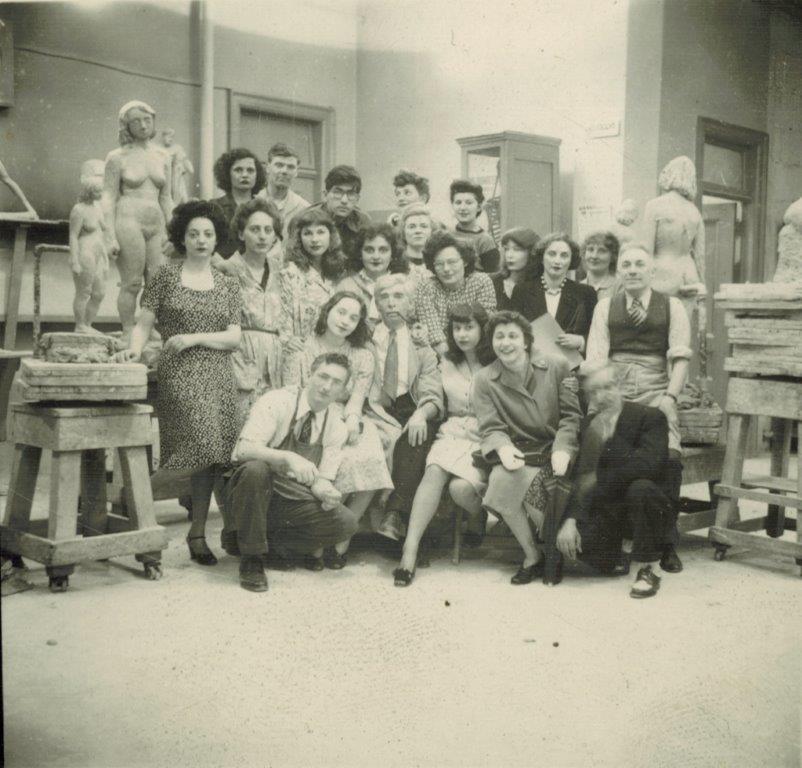
Processing Loss and Fostering Resilience – Jewish and Female Sculptural Strategies of Coping with the 20th Century

Shattered Objects, Shattered Spaces – The Destruction of Jewish Homes in the November Pogroms of 1938
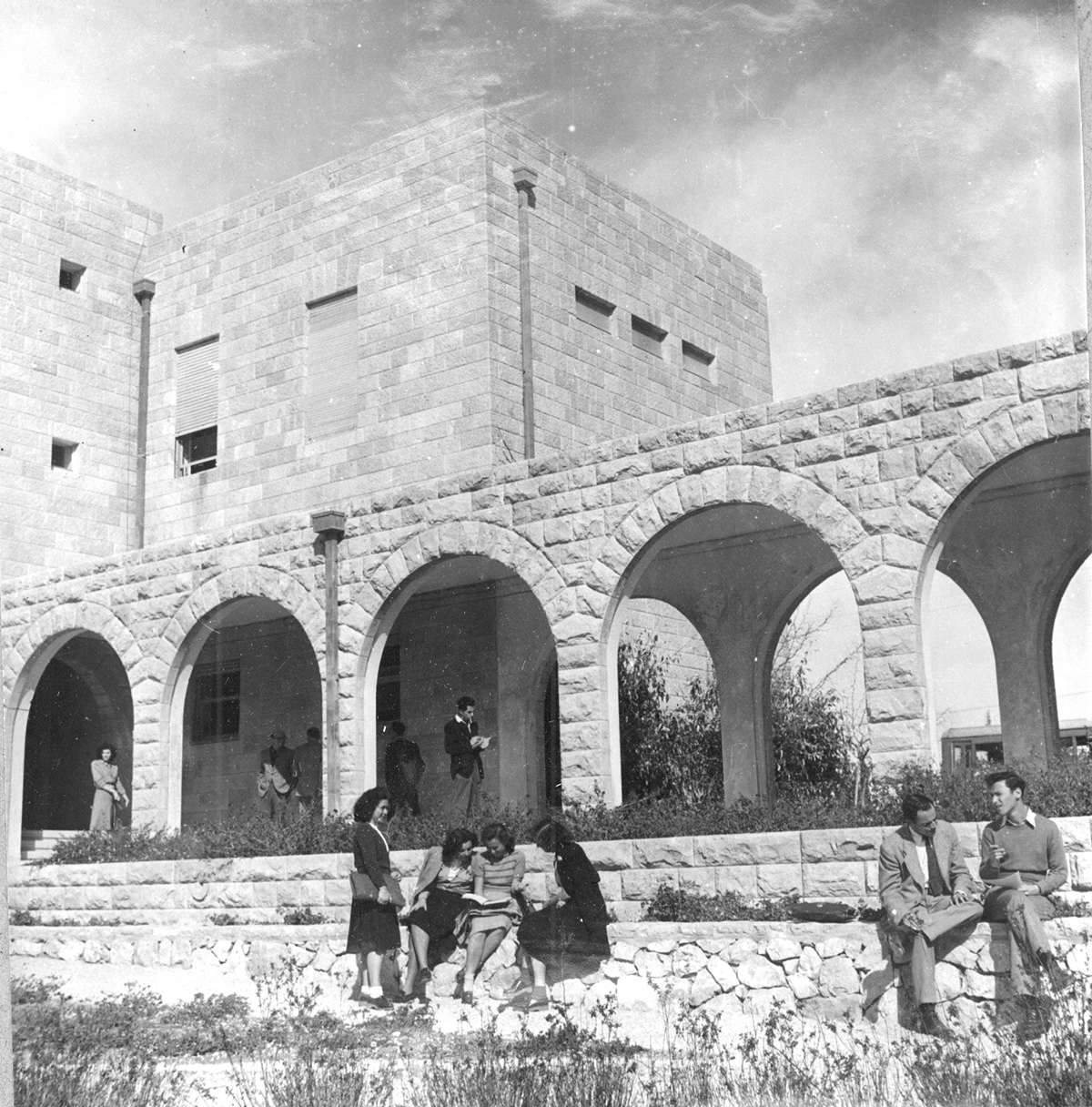
Nation-Building and Cultural Heritage – The Making of the Jewish National Library in Jerusalem, 1892–1948
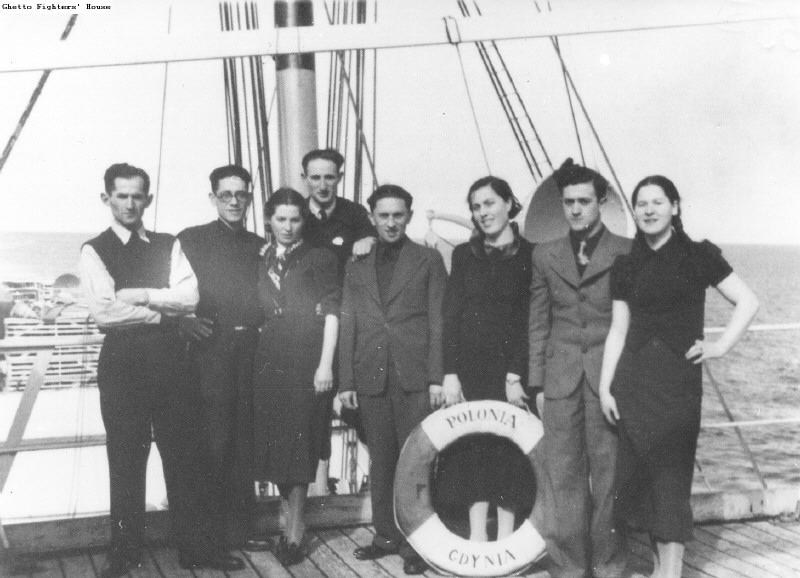
DVARIM POLANIM – Material Culture and the Changing Identity of Polish Jews in Israel across the 20th Century
Between Ruins and Revival – Jewish Identity and Material Heritage in Post-Communist Poland

Places of Jewish Knowledge – The Wissenschaft des Judentums and its Material Sites in Berlin’s Urban Landscape, 1871–1961

Traces of belonging(s) – on the materiality of the imprisonment experience of Jewish women in the Ravensbrück women’s concentration camp
Aufbau im Übergang – Curt Wormann and the Jewish National and University Library between Nation-building and Cultural Diplomacy
To Change, Question, and Criticize – Concepts of a ‘Werk’ and Concepts of Objects in Illustrated Magazines in Berlin and Vienna during the 1920s.
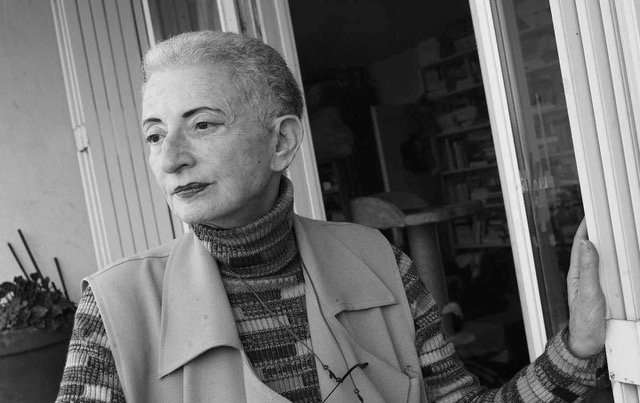
Mes poumons comme les rouleaux de la Thora – Towards a Poetics of the Trace: Jewishness, Exile, and Writing in the Work of Hélène Cixous


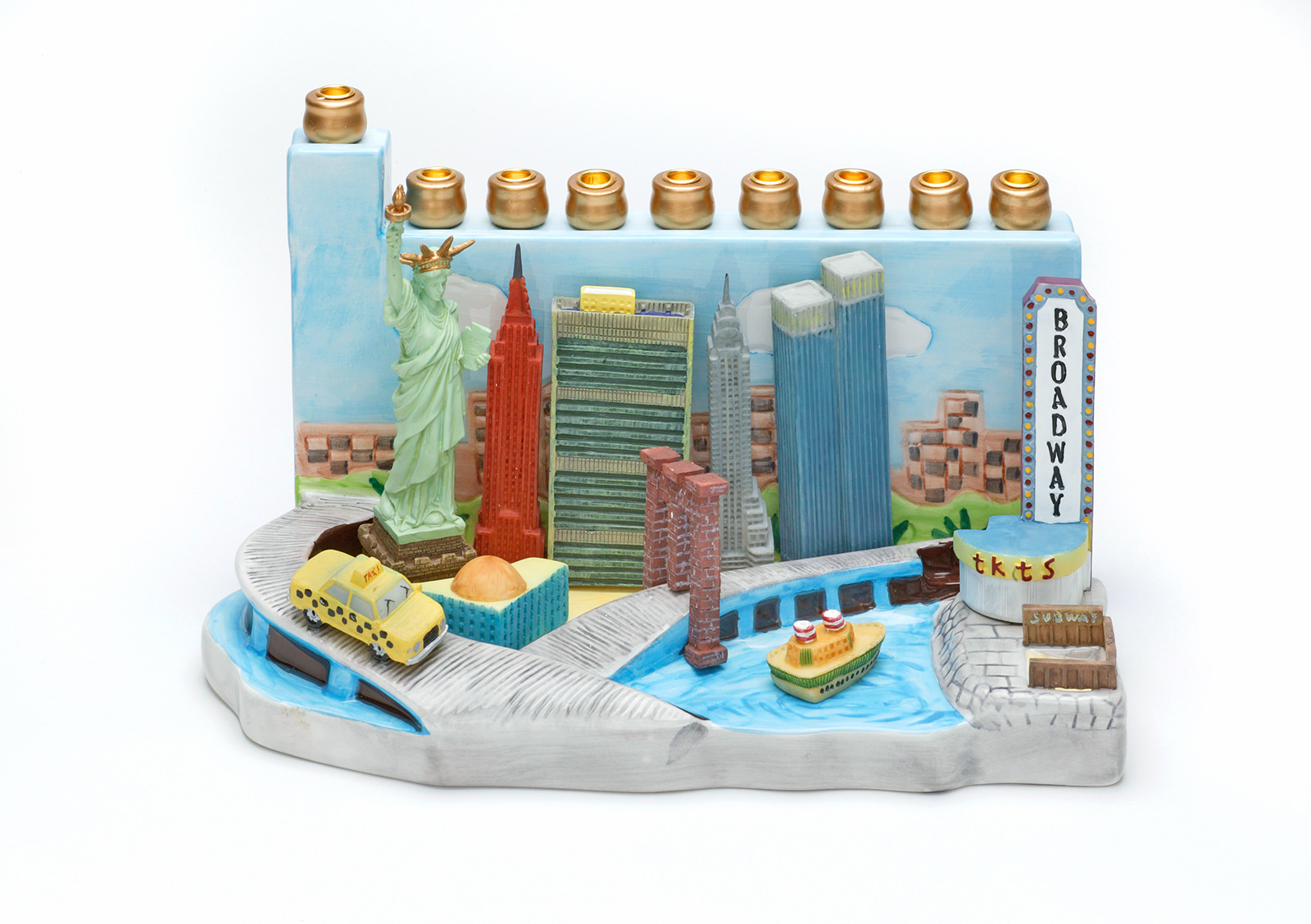
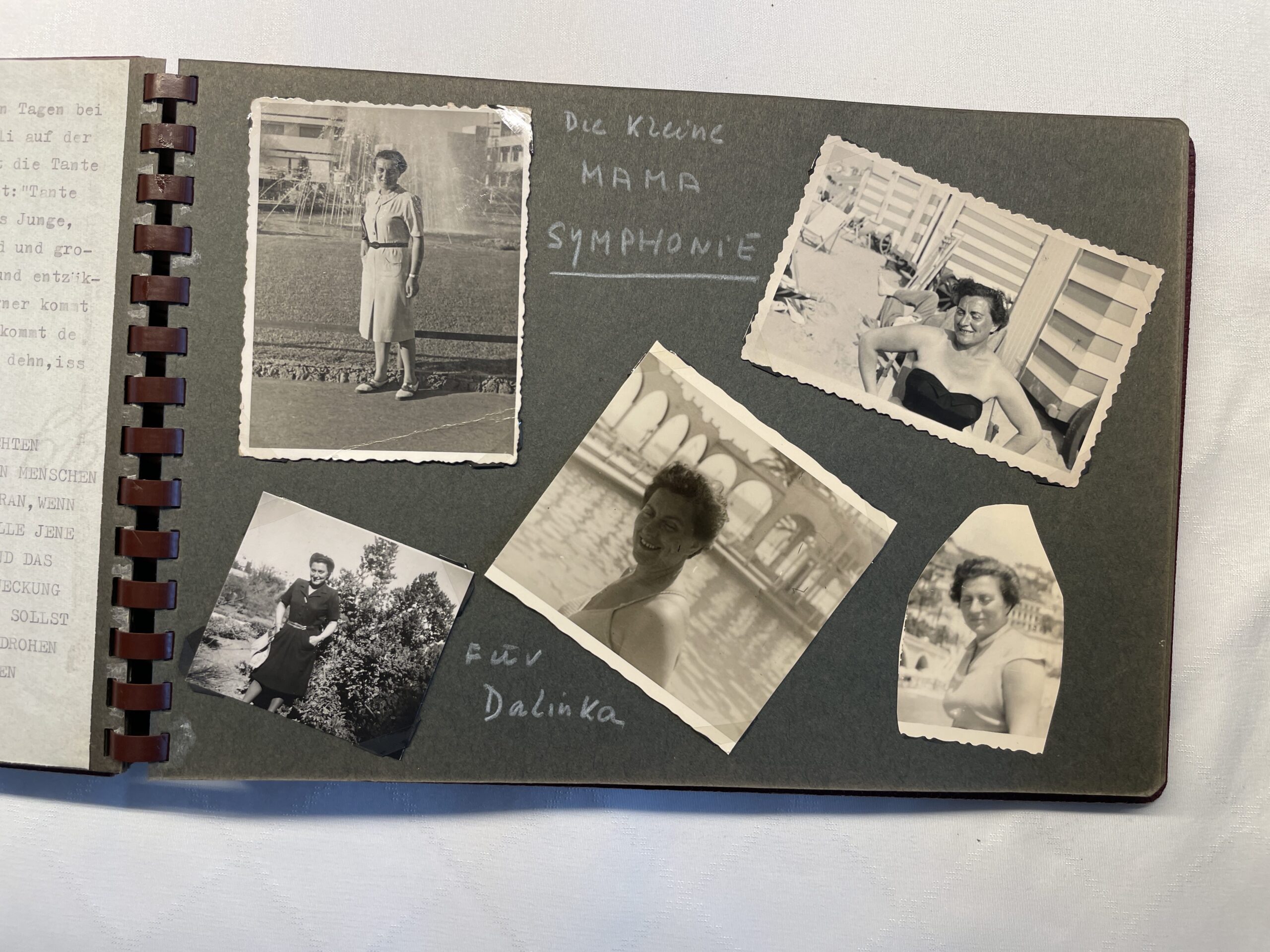

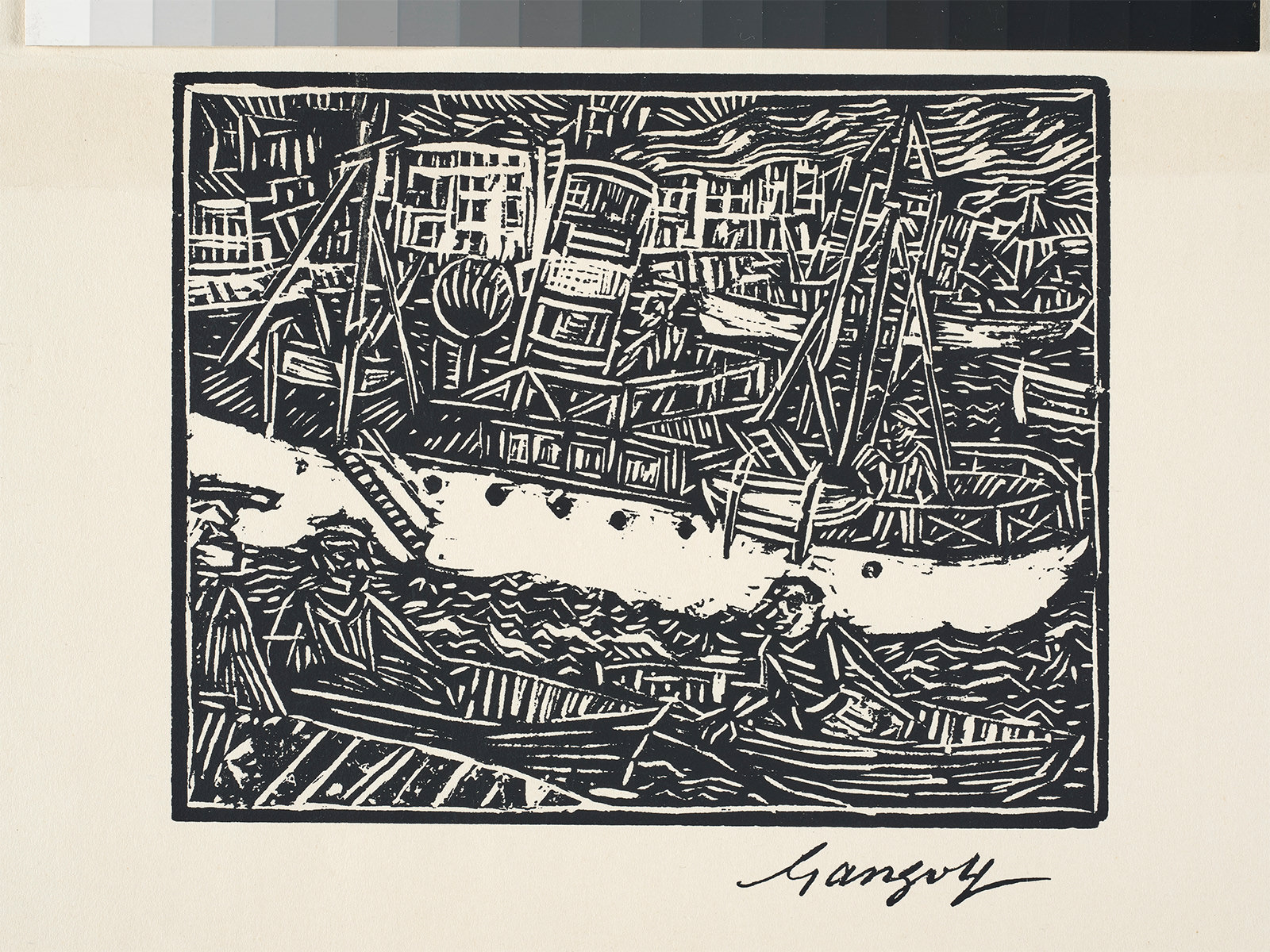

Blavatnik Archive, Reines Archive
Excitement, Uncertainty, and Nostalgia – Everyday Objects of Soviet-Jewish Refuseniks
The aim of the research project is to examine the refusenik movement by focusing on objects Soviet Jews owned and used. With the theoretical approach of material culture, it will provide a new understanding of the expectations, hopes, and fears, as well as the social, religious, and cultural changes that refuseniks experienced before and during their migration process. Likewise, it will explore late socialist society from the perspective of the Jewish minority, asking which ideas of (Soviet-)Jewish belongings prevailed and why they (re-)emerged since the 1970s. In addition, the perspective on personal belongings also provides indirect indications of the refuseniks’ perception of their new surroundings.
The project follows methodologically in the footsteps of the ethnologist Hans Peter Hahn, who argues that the disclosure of object ambiguity is one of the most important surplus values of material culture, as it reveals previously hidden views of social and cultural developments in society. In line with Hahn’s thinking, an examination of everyday objects in and from the Soviet Union as Soviet, Jewish, and Soviet-Jewish at the same time, and the description of their different meanings, is the starting point of the research.
Refusenik [Russian: ‘otkaznik’] is a terminological derivation from the English verb ‘(to) refuse’. The term refers to Jewish citizens from the Soviet Union who tried to leave the country during late socialism. Even though this process was very challenging, more than 250,000 Jews were able to emigrate legally between 1971 and 1987. Immediately after refuseniks handed in the request, they felt the consequences of the decision on a professional and personal level: Numerous refuseniks lost their jobs or the permission to study. Many friends and family members turned away from them. When they finally obtained permission to start a new life outside the country, they had to leave almost everything behind.
